Introduction:
The world is rapidly evolving, and technology is playing a crucial role in shaping our urban and industrial landscapes. Two of the most transformative concepts in recent years are smart cities and Industry 4.0. Both concepts involve the integration of advanced digital technologies to improve efficiency, sustainability, and overall quality of life. In this blog post, we’ll delve into the exciting world of smart cities and Industry 4.0, exploring their impact on networking and how they are revolutionizing the way we live and work.
Smart Cities: Building the Future of Urban Living
Smart cities leverage cutting-edge technologies like the Internet of Things (IoT), artificial intelligence (AI), big data analytics, and advanced communication networks to optimize various aspects of urban living. These technologies allow for real-time monitoring and analysis of city operations, such as traffic management, waste disposal, energy consumption, and public safety. By intelligently utilizing data, city planners and officials can make more informed decisions, ultimately leading to improved resource efficiency, economic growth, and overall well-being for residents.
The role of networking in smart cities is paramount, as it enables the collection and transmission of data from a multitude of IoT devices and sensors. Robust, secure, and high-speed networks are required to support the growing demands of smart city infrastructure. Advanced network technologies, such as 5G, are essential for providing the necessary bandwidth and low latency required for real-time data processing and communication between devices.
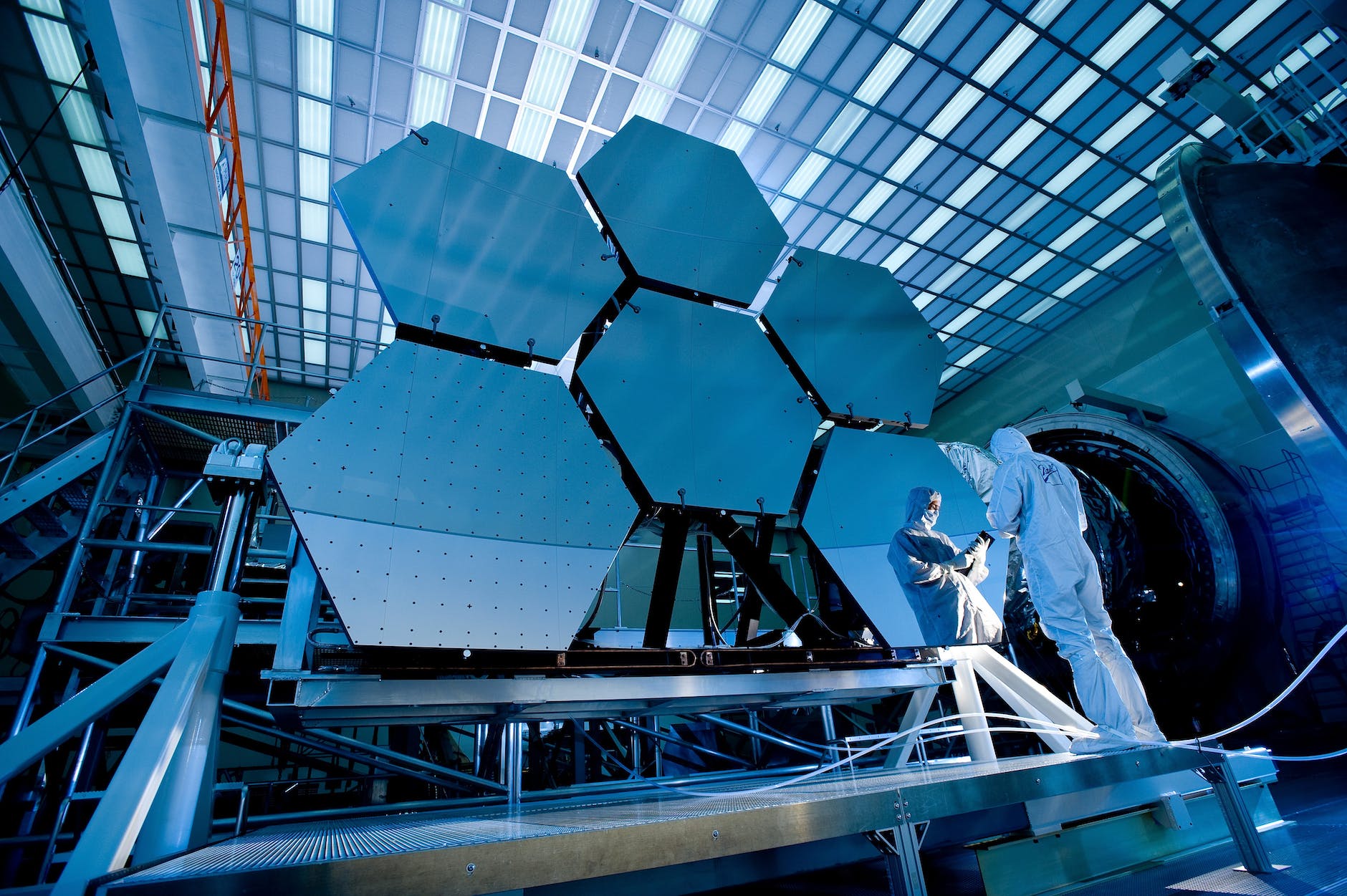
Industry 4.0: Transforming the Manufacturing Sector
Industry 4.0, also known as the Fourth Industrial Revolution, is revolutionizing the manufacturing sector by integrating advanced digital technologies, such as AI, robotics, IoT, and cloud computing, into industrial processes. The convergence of these technologies creates cyber-physical systems, resulting in the emergence of smart factories.
In smart factories, machines, production lines, and entire facilities are interconnected and can communicate with each other in real-time. This enables increased automation, improved flexibility, and enhanced decision-making based on data analytics. Ultimately, Industry 4.0 has the potential to significantly increase productivity, efficiency, and innovation in the manufacturing sector.
Networking plays a crucial role in Industry 4.0, as it enables the seamless communication between various devices, systems, and processes. The need for advanced network connectivity, such as 5G, is vital for supporting the low latency and high bandwidth requirements of Industry 4.0 applications.
Conclusion: The Networking Challenges and Opportunities Ahead
As we continue to witness the rapid growth of smart cities and Industry 4.0, networking professionals face new challenges and opportunities. To fully realize the potential of these transformative concepts, it is essential to invest in the development and deployment of advanced network infrastructure and technologies.
By embracing the future and working together to address the networking challenges presented by smart cities and Industry 4.0, we can create a more efficient, sustainable, and connected world for all. Network ThinkTank is committed to staying at the forefront of these developments, providing insights, knowledge, and expertise to help drive innovation and progress in the networking industry.
 Network ThinkTank